
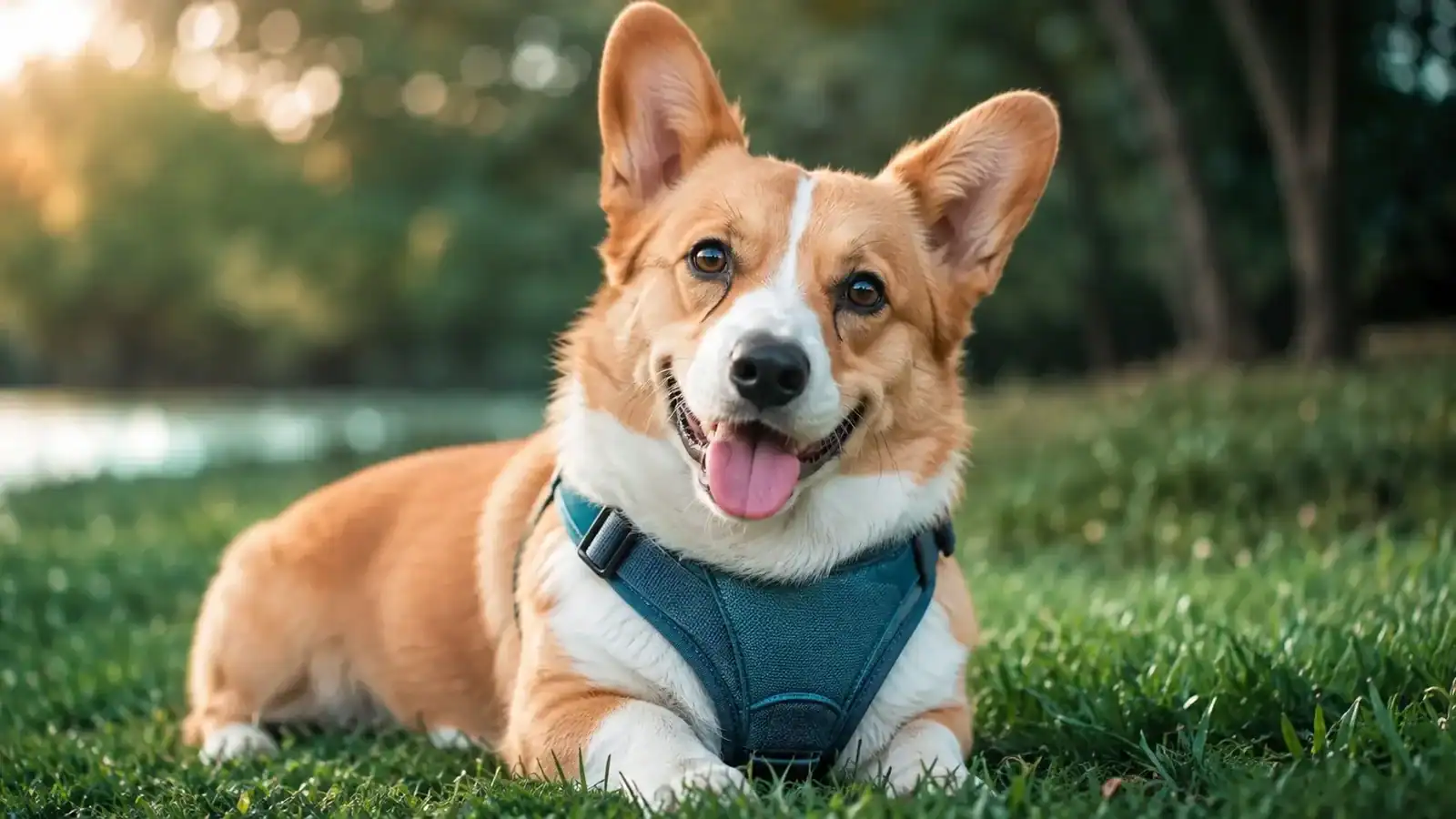
Small dogs can be surprisingly difficult to fit for a harness. A model labeled “small” may still sit too close to the front legs, shift during movement, or have a neck opening that does not match the dog’s body shape.
No harness can guarantee that rubbing or chafing will never happen. Material matters, but sizing, strap placement, adjustment, movement, moisture, and the individual dog’s proportions are just as important.
Pause Before You Buy
Choose from your dog’s current measurements and body shape, not the breed label or weight alone. A soft or padded harness can still chafe if it rotates, pinches, sits in the armpits, or does not match the dog’s neck-to-chest proportions.
Affiliate disclosure: GiveItAPaws may earn a commission if you buy through qualifying links, at no extra cost to you. Recommendations are not based on commission. Amazon links are provided for availability; official manufacturer pages remain listed in Sources reviewed for product details and safety instructions.
How we researched this guide
We did not test every harness hands-on. We compared official product specifications and sizing information with published research, educational fitting guidance, and selected fit concerns in publicly available owner reviews. We prioritized adjustability, material coverage, strap placement, sizing options for small dogs, and clearly documented fitting limitations. Official product pages support product identity, features, materials, sizing, and adjustment details; they do not prove that a harness will prevent chafing for every dog.
Quick comparison
| Harness | Best for | Consider another option if | Main tradeoff |
|---|---|---|---|
| rabbitgoo Classic Fit | Adjustability, padding, and everyday control | Your dog dislikes body coverage or has a very narrow neck relative to the chest | Bulkier than lightweight mesh models |
| Puppia Soft Harness | Toy and petite dogs needing a lightweight mesh design | Your dog has a wide head, needs an adjustable neck, or requires a front clip | The neck opening is not independently adjustable |
| Ruffwear Hi & Light | Active small dogs needing a low-profile harness and very small sizes | You want a basic budget option or need a closer neck fit | Premium price and body-shape-dependent fit |
| Li’l Pals Comfort Mesh | Calm petite dogs and puppies needing a simple back-clip harness | Your dog pulls strongly, escapes standard harnesses, or needs dual leash attachments | Limited control compared with dual-clip designs |
What usually causes harness rubbing?
Rubbing often happens when a harness shifts repeatedly against the same area. This may occur because the harness is too loose, the neck or chest proportions do not match the dog, or a strap sits too close behind the front legs.
A harness can look correct while the dog is standing still but move out of position during a walk. Check the fit while the dog is moving, not only when the harness is first put on.
- Too loose: the harness rotates or slides with every step.
- Too tight: straps press into the skin and may restrict normal movement.
- Incorrect proportions: the chest fits, but the neck opening or strap placement does not.
- Heat, moisture, or debris: damp material, sand, or dirt can increase friction during longer walks.
1. rabbitgoo Classic Fit — adjustable padded option
The rabbitgoo Classic Fit uses a padded vest-style design with front and back leash attachments. It also has four adjustment sliders, giving owners more control over the neck and chest fit than harnesses with only one adjustable strap.
The front attachment can help redirect a dog that pulls, while the back attachment can be used for more relaxed walks. Multiple sizes, including an extra-small option, add fitting range for small dogs with different chest proportions.
The tradeoff is that it covers more of the body than a lightweight mesh harness. Some owner reviews on the brand’s website also report that the harness can shift when the neck and chest proportions do not align with the available adjustments. Measuring is still essential.
Consider another option if: your dog is sensitive to bulky materials or has a particularly narrow neck compared with its chest.
Main tradeoff: greater coverage and adjustability add more material around the body.
2. Puppia Soft Harness — lightweight option for toy breeds
The Puppia Soft Harness uses a lightweight 100% polyester air-mesh body instead of narrow straps resting directly against the dog’s skin. Its official product page lists an adjustable chest belt.
Its low-profile construction can be useful for toy breeds that appear uncomfortable in heavier padded harnesses. The mesh design also provides more body coverage than a thin strap-style harness without adding the structure of a larger outdoor model.
The main limitation is that the neck opening is not independently adjustable. A dog may fit correctly around the chest but still have difficulty getting the harness comfortably over the head. Measure both areas and compare them with the current sizing chart before ordering.
Consider another option if: your dog has a wide head, an unusually narrow neck, or needs a front leash attachment.
Main tradeoff: lightweight simplicity comes with less neck adjustment and no front attachment.
3. Ruffwear Hi & Light — low-profile premium option
The Ruffwear Hi & Light is a low-profile harness designed to provide a secure fit without the bulk of a heavily padded outdoor model. Its size range begins at XXXS, with the current chart listing a 9–13-inch chest range for that size.
Its minimal construction may be useful for active small dogs that become uncomfortable in thick or heavy harnesses. The adjustable design also provides more fitting flexibility than harnesses with a completely fixed neck opening.
The main tradeoff is its premium price. Fit can also vary by body shape: the review section on Ruffwear’s official product page includes fit feedback noting that the chest can fit while the neck remains loose. Measuring and checking the fit while the dog is moving are still essential.
Consider another option if: you want a basic budget harness or your dog has a particularly narrow neck compared with its chest.
Main tradeoff: the low-profile premium design costs more and still depends on a body-shape match.
4. Coastal Pet Li’l Pals Comfort Mesh — simple option for petite dogs
The Li’l Pals Comfort Mesh Harness is made specifically for small dogs and puppies. Its official product page lists breathable mesh, adjustable slides, and a back D-ring.
Its simple construction may work well for calm small dogs that do not need a front-clip control system. The adjustable wraparound design can also make it easier to fine-tune the chest fit than a completely fixed vest.
The tradeoff is limited control compared with dual-clip harnesses. It is not the strongest choice for a powerful puller or a dog known to back out of standard harnesses.
Consider another option if: your dog pulls strongly, escapes harnesses, or needs front-and-back leash attachments.
Main tradeoff: the simple lightweight design offers less control than a structured dual-clip harness.
How to check the fit
- Measure the widest part of your dog’s chest and any other areas required by the manufacturer’s sizing chart.
- Do not select a size based only on breed or weight. Two dogs of similar weight can have very different neck and chest proportions.
- Adjust the harness so that it is secure without pinching. A commonly used starting point is enough room to place two fingers between the harness and the dog’s body.
- Make sure the harness does not sit directly in the armpit area or visibly restrict the shoulders.
- Start with a short walk. Afterward, remove the harness and check for redness, compressed fur, damp areas, or signs that the dog was uncomfortable.
If your small dog is also a strong puller, see our guide to dog harnesses for strong pullers for options with more control-focused designs.
Frequently asked questions
Can a soft or padded harness still cause chafing?
Yes. Soft material can reduce concentrated pressure, but rubbing can still happen when the harness is too loose, too tight, incorrectly positioned, or poorly matched to the dog’s proportions.
How do I know whether the harness is too loose?
Watch the harness while your dog walks. It should not rotate around the body, slide toward the throat, or move from the center of the chest to the side. You should also confirm that the dog cannot reverse out of it.
Is a mesh harness always better for a small dog?
No. Mesh can be lightweight and breathable, but construction and fit still matter. Some dogs need more structure and adjustability, while others are more comfortable with less body coverage.
Should I choose a front-clip or back-clip harness?
A back attachment is often sufficient for calm walkers. A front attachment can make a pulling dog easier to redirect, but it still needs to fit correctly and does not replace training. For a fuller design comparison, see our guide to no-pull versus regular harnesses.
What should I do if my dog already has redness or broken skin?
Stop using the harness until the cause has been identified. If the skin is painful, swollen, bleeding, or does not improve, contact a veterinarian rather than continuing to try different harnesses over the irritated area.
The bottom line
Start with the harness whose adjustment pattern and coverage best match your dog, then treat the first short walk as a fit check rather than proof that the problem is solved. Recheck strap position while the dog moves, inspect the skin afterward, and return or replace a harness that shifts, pinches, restricts movement, or leaves irritation.
Sources reviewed
Published research and educational sources support the general fitting and safety guidance. Manufacturer pages verify product design, materials, sizing, and adjustment features. Product descriptions and owner feedback do not independently prove that a harness will prevent chafing for every dog. Sources were reviewed through September 24, 2026.
- American Kennel Club — How to put on and fit a dog harness — educational fitting guidance.
- Review of collars, harnesses, and head collars for walking dogs — published background on walking equipment.
- rabbitgoo Classic Fit official product information — product identity, features, sizing, and adjustment details.
- Puppia Soft Harness official product information — product identity, materials, and design details.
- Ruffwear Hi & Light official product information — product identity, sizing, and design details.
- Coastal Pet Li’l Pals Comfort Mesh official product information — product identity, materials, sizing, and design details.